Two record jackets may look identical from the front cover, yet one might be worth $15 while the other commands $1,500 among serious collectors. The secret to authenticating rare releases lies within the dead wax matrix runout ring.
1. Reading Matrix Runouts (Dead Wax Etchings)
Located between the final audio track and the center paper label is an ungrooved smooth vinyl band. In this area, mastering engineers hand-etched or machine-stamped vital production codes:
- Cutting Engineer Signature: Look for famous stamps like "STERLING", "RL" (Robert Ludwig), "MASTERDISK", or "VAN GELDER".
- Stamper Mothers & Plating Letters: Indications such as 1A, 1B, -1, or A-1 reveal how early the disc was pressed from the lacquer mother.
- Pressing Plant Identifiers: Icons like the Specialty Records Corporation "SRC" logo, Columbia's "P" for Pitman, or Monarch's "Δ" (Delta) numbers.
2. The Japanese Obi Strip Advantage
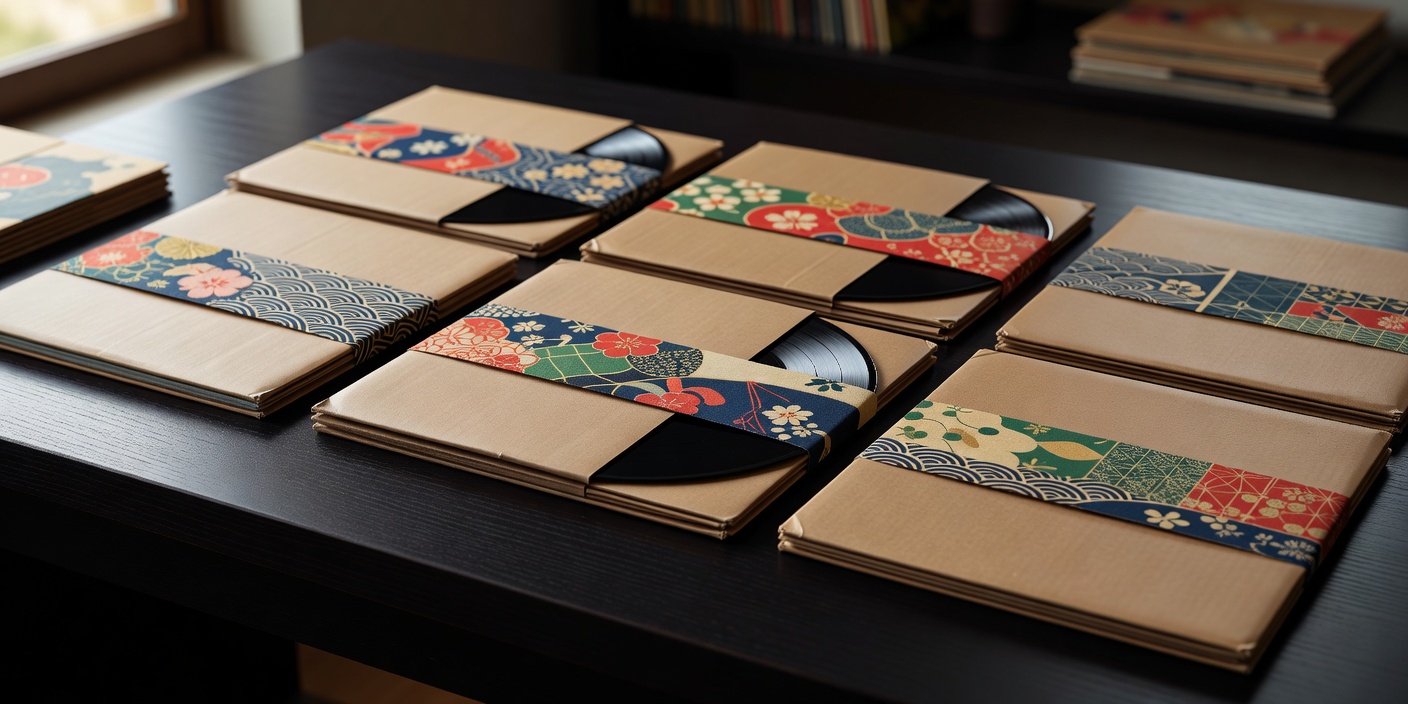
In Japanese vinyl manufacturing (King Records, Toshiba-EMI, Victor Japan), records were issued with a decorative paper sash called an Obi (帯).
Japanese vinyl pressings from the 1970s and 1980s are globally prized because they were pressed using virgin vinyl resin rather than recycled vinyl formula, providing lower surface noise levels. Having an original Obi intact increases the collector value by 30% to 100%.
3. Goldmine Standard Grading Benchmark
- Mint (M): Absolutely perfect in every way. Never played, usually sealed.
- Near Mint (NM): A nearly perfect record. Surface displays no visible signs of wear or scuffs.
- Very Good Plus (VG+): Shows light hairline scuffs that do not affect the audible playing experience.
- Very Good (VG): Surface noise is evident upon playing, light scratches visible.